.svg)
.svg)
.svg)


Smarter Water Use On Vancouver Island: How Our Coastal Tree House Collects and Reuses Rainwater
On Vancouver Island, we’re surrounded by natural beauty, lush forests, coastal views, and incredible landscapes. But anyone who lives here knows the challenge: long, dry summers paired with increasing pressure on municipal water systems.
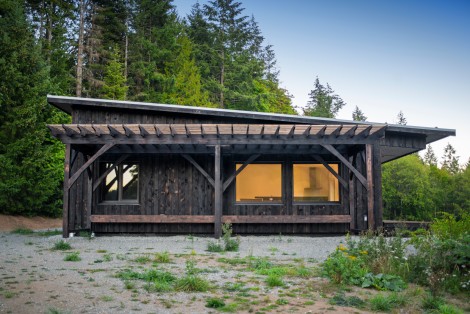
At Pheasant Hill Homes, we’re always looking for ways to build smarter and more responsibly. One of the features we recently showcased in our Coastal Tree House project is a fully integrated rainwater collection system designed specifically to support the landscape around the home.
How the System Works
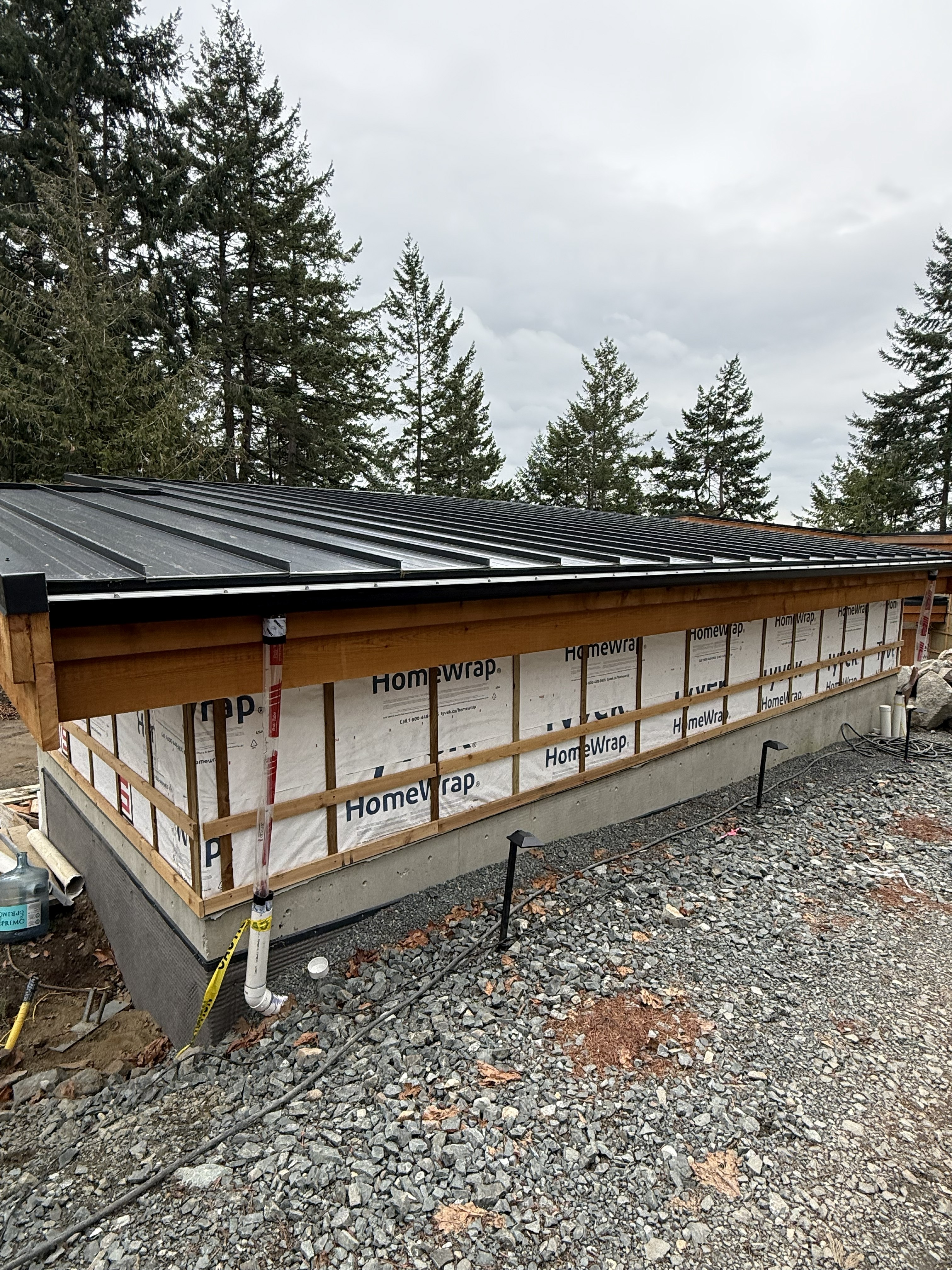
This home is designed to capture 100% of the rainwater that hits the roof.
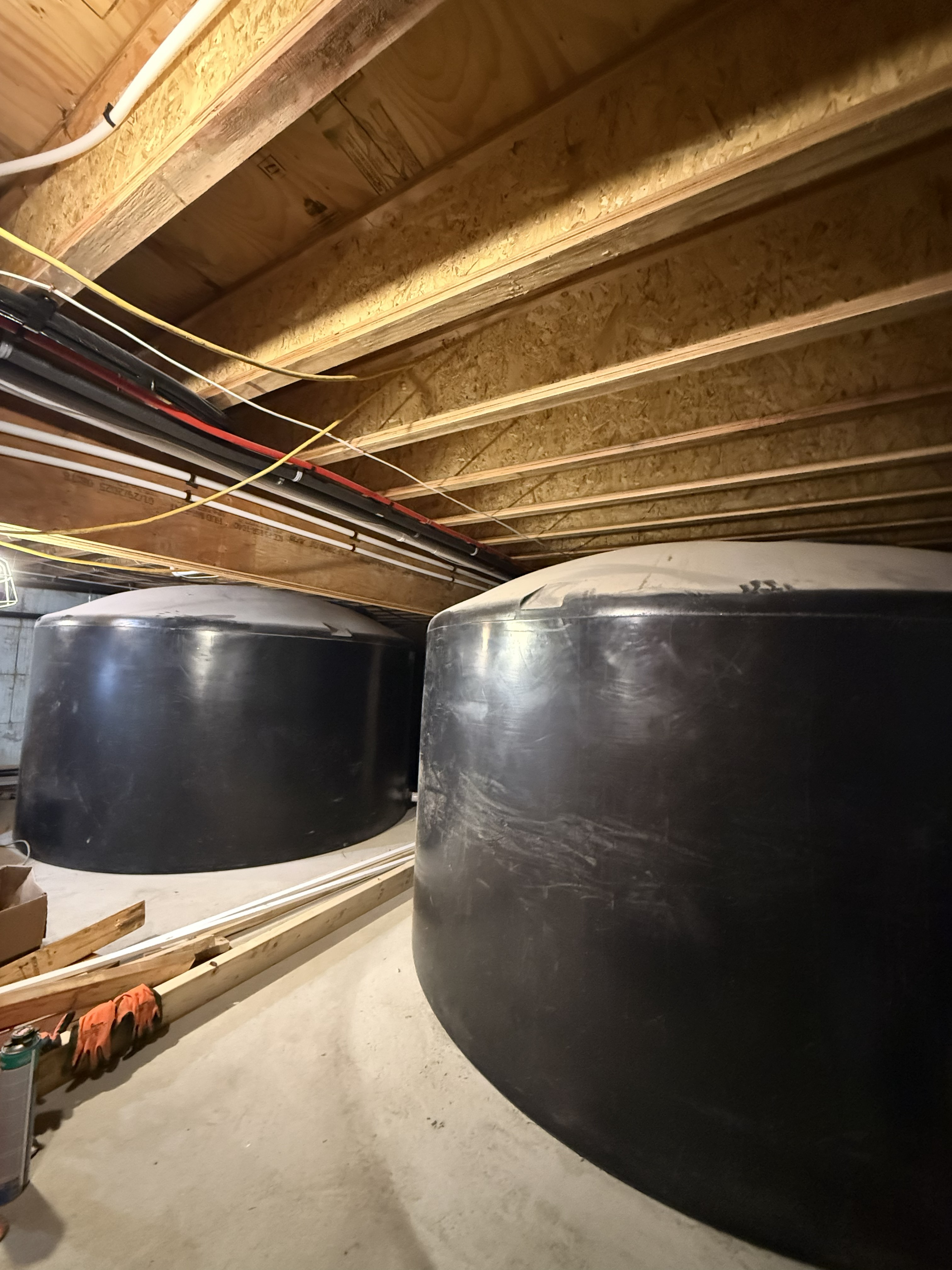
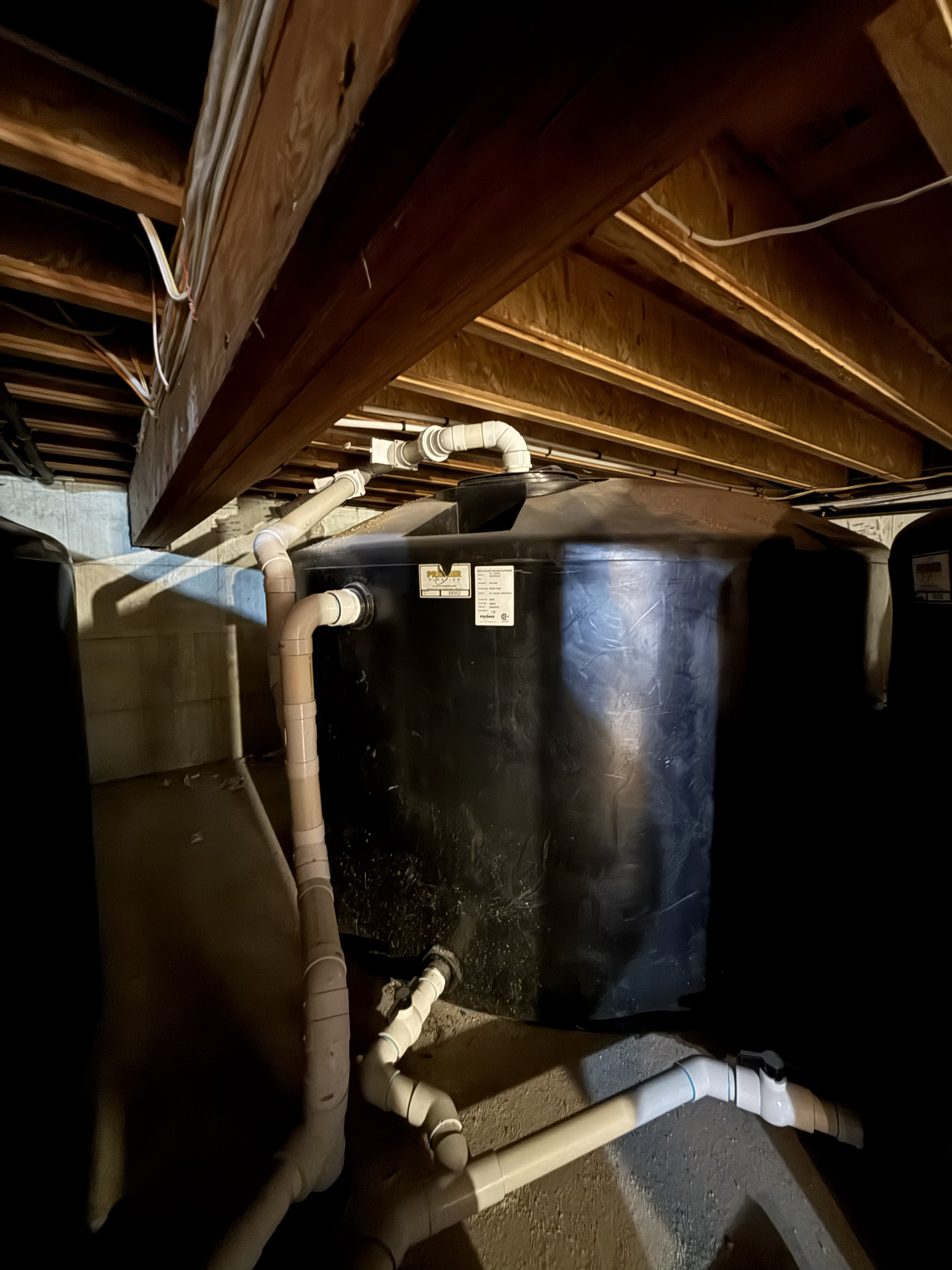
Instead of allowing that water to run off and disappear into storm drains, it’s directed into a storage system consisting of:
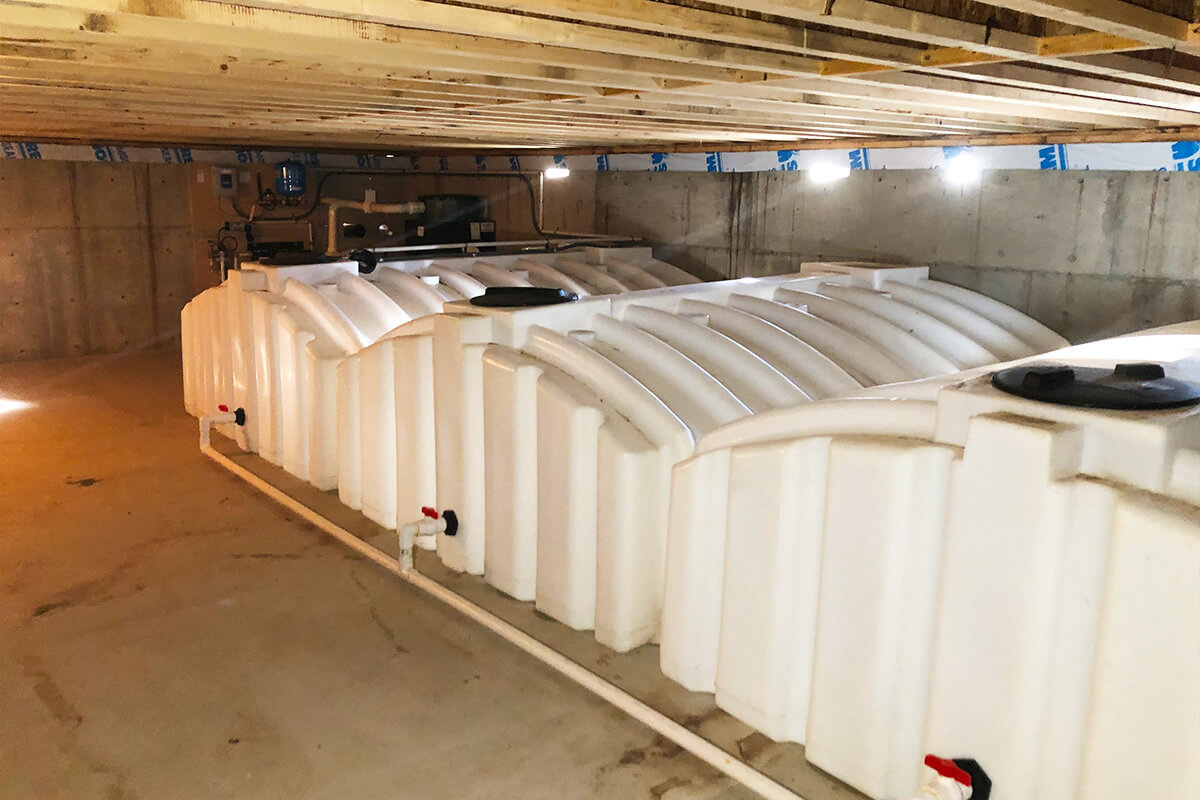
- Four 2,000-gallon tanks
- Strategically located beneath the home
- Connected to the full roof drainage system
That’s 8,000 gallons of stored water, collected naturally and passively throughout the year.
Why This Matters
1. Reducing Strain on Water Systems
Municipal water systems are under increasing pressure, especially during the summer months when outdoor water use spikes. Irrigation alone can account for a huge portion of residential water demand.
By collecting and reusing rainwater, homeowners can significantly reduce their reliance on treated municipal water for non-potable uses like landscaping.
2. Designed for Island Living
Vancouver Island’s climate makes this system incredibly effective:
- Heavy rainfall through fall, winter, and spring
- Dry summers when water is needed most
This type of system essentially stores the wet season for use in the dry season, a perfect match for our environment.
3. Healthier, More Resilient Landscapes
Rainwater is naturally soft and free of the chemicals found in treated water, making it ideal for plants.
Using collected rainwater:
- Promotes healthier soil
- Supports stronger plant growth
- Reduces long-term landscaping costs
4. Long-Term Sustainability
As building standards evolve, water efficiency is becoming just as important as energy efficiency. Systems like this are a simple but powerful way to future-proof a home.
Our Commitment to Water-Conscious Design
At Pheasant Hill Homes, this isn’t just a one-off feature—we strive to implement a water collection strategy on all of our new homes whenever possible.
A great example is The Yaki Sugi Passive House in Ladysmith, BC, completed in 2020. This Certified Passive House was designed to provide all potable water from collected rainwater. Because the site had no municipal water access and any well would hit saltwater from the nearby ocean, we had to design a complete, self-sufficient water system.
The Yaki Sugi system includes:
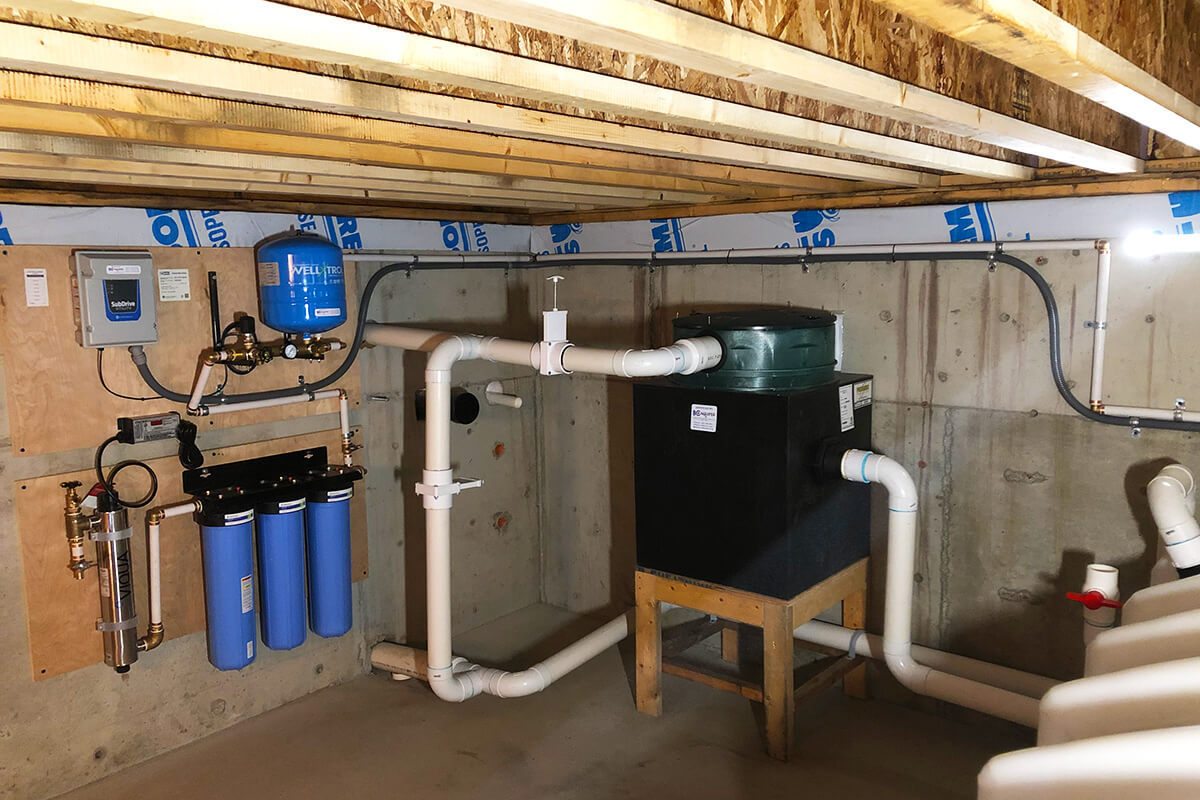
- Rainwater collection from the roof
- A large storage tank system
- UV water treatment to make the water safe for drinking
This project demonstrates how thoughtful water systems can provide both sustainability and resilience, even in challenging sites. It’s a great example of how we take a holistic approach to designing homes that work with their environment, not against it.
Built-In, Not Bolted On
One of the key aspects of these projects is that the systems are designed from the ground up, not added as an afterthought.
By integrating the tanks beneath the home:
- We preserve valuable yard space
- Protect the tanks from temperature swings
- Create a clean, efficient layout
This is the kind of thoughtful planning that allows sustainable features to feel seamless rather than intrusive.
The Bigger Picture
Rainwater collection isn’t a new idea, but it’s one that’s becoming increasingly relevant.
As we continue to build on Vancouver Island, we believe features like this will become standard in high-performance homes. They’re practical, cost-effective over time, and aligned with how we should be building in this region.
If you’re thinking about building or renovating and want to explore smart, sustainable features like this, we’d love to talk.
At Pheasant Hill Homes, we’re focused on building homes that are not just beautiful, but built for the future.